Solution
Wind down properly.
Heat, light, and low-stimulation recovery technology for the end of the day.
Infrared Saunas
Create your personal sanctuary.
Explore
Red Light Therapy
Advanced light technology for your wellness routine.
Explore
PEMF
Next-generation recovery technology.
Explore
Massage Chairs
Professional-grade recovery. At home.
Explore
Recommended products
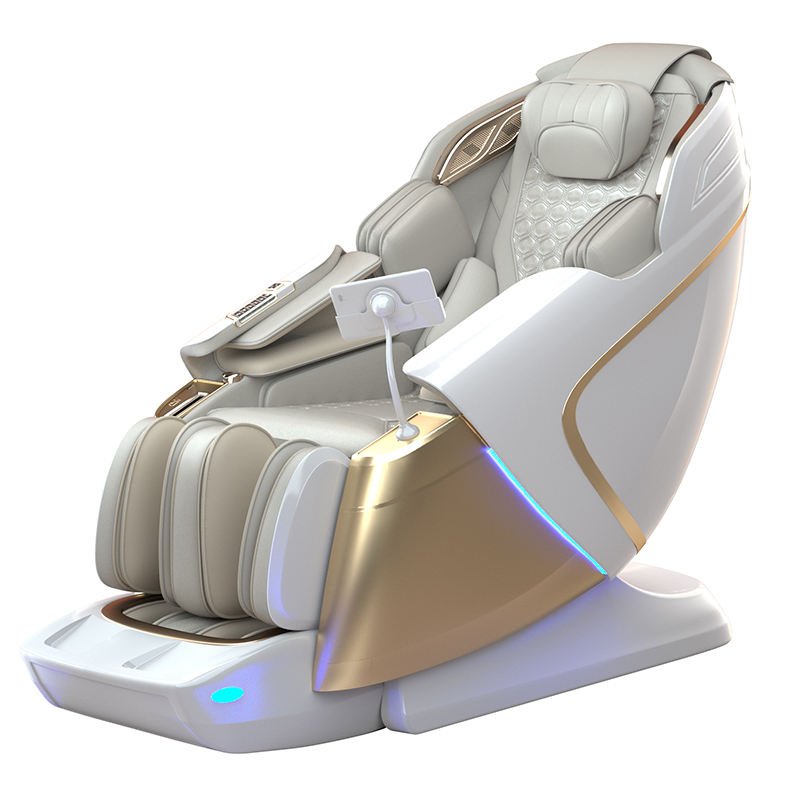
NeuroLuxe
NeuroLuxe SL 4D Massage Chair
The longest track and the deepest roller control in the range.
Best for Daily recovery after training, where 220V is available
$10,999.00
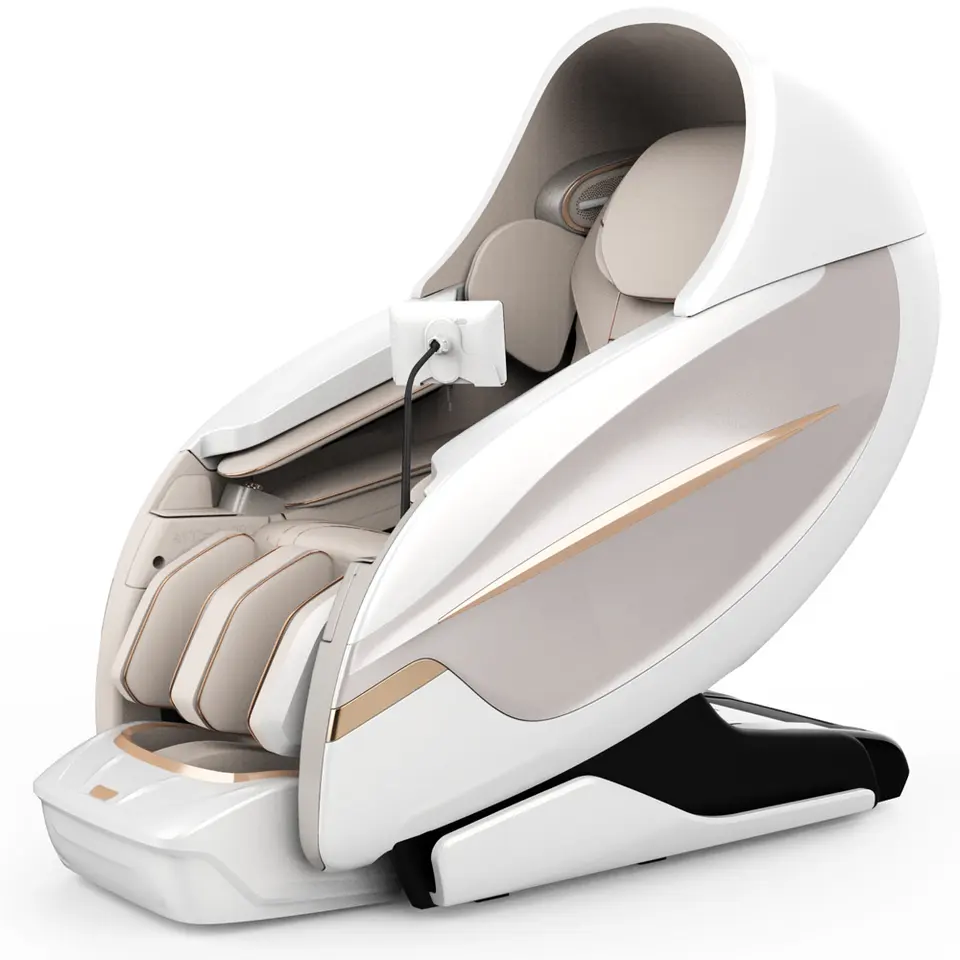
OmniSense
OmniSense 4D Massage Chair
Stop settling for a programme built for an average body that is not yours.
Best for Buyers who want the chair to adapt to their frame
$8,599.00
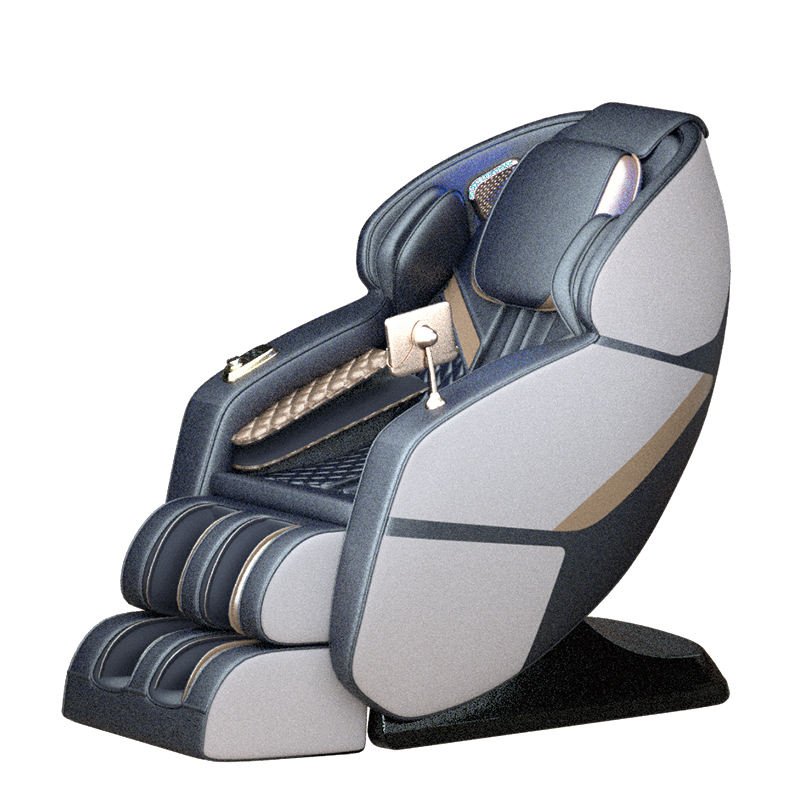
FlexiZen
FlexiZen V10 Smart Massage Chair
A full-body chair that folds away instead of taking over the room.
Best for Apartments and multi-use rooms where floor space is limited
$7,999.00
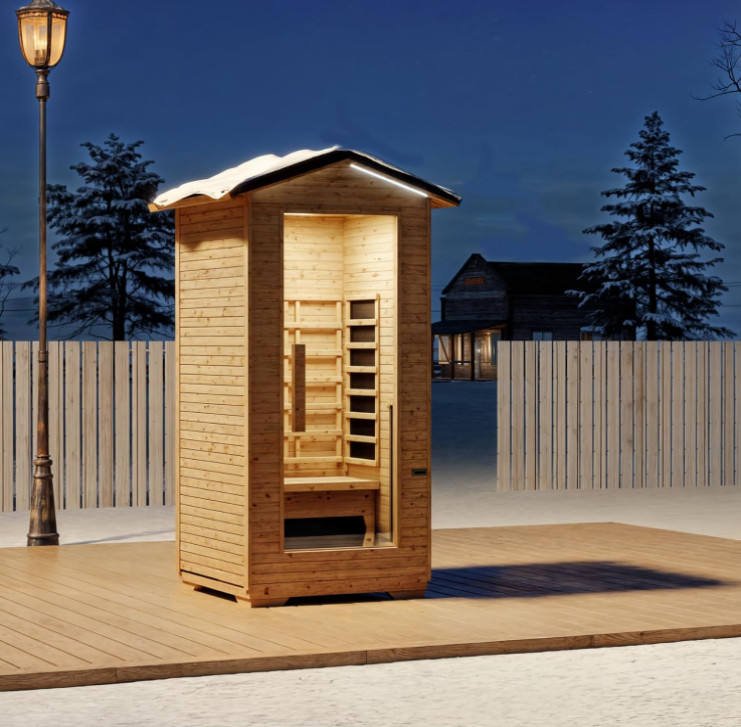
Fjordheim
Fjordheim Solo Infrared Sauna
The least committing way into a near-daily sauna habit.
Best for One regular user, in an apartment or spare room
$3,999.00
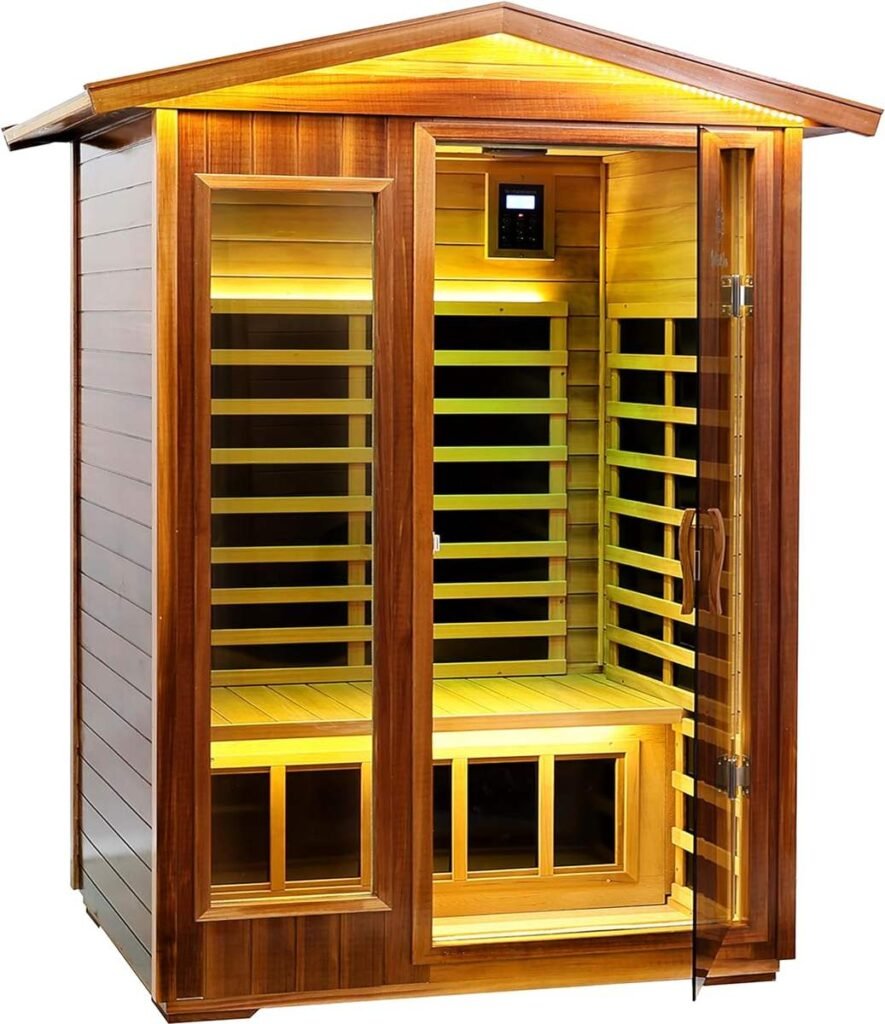
Eldvik
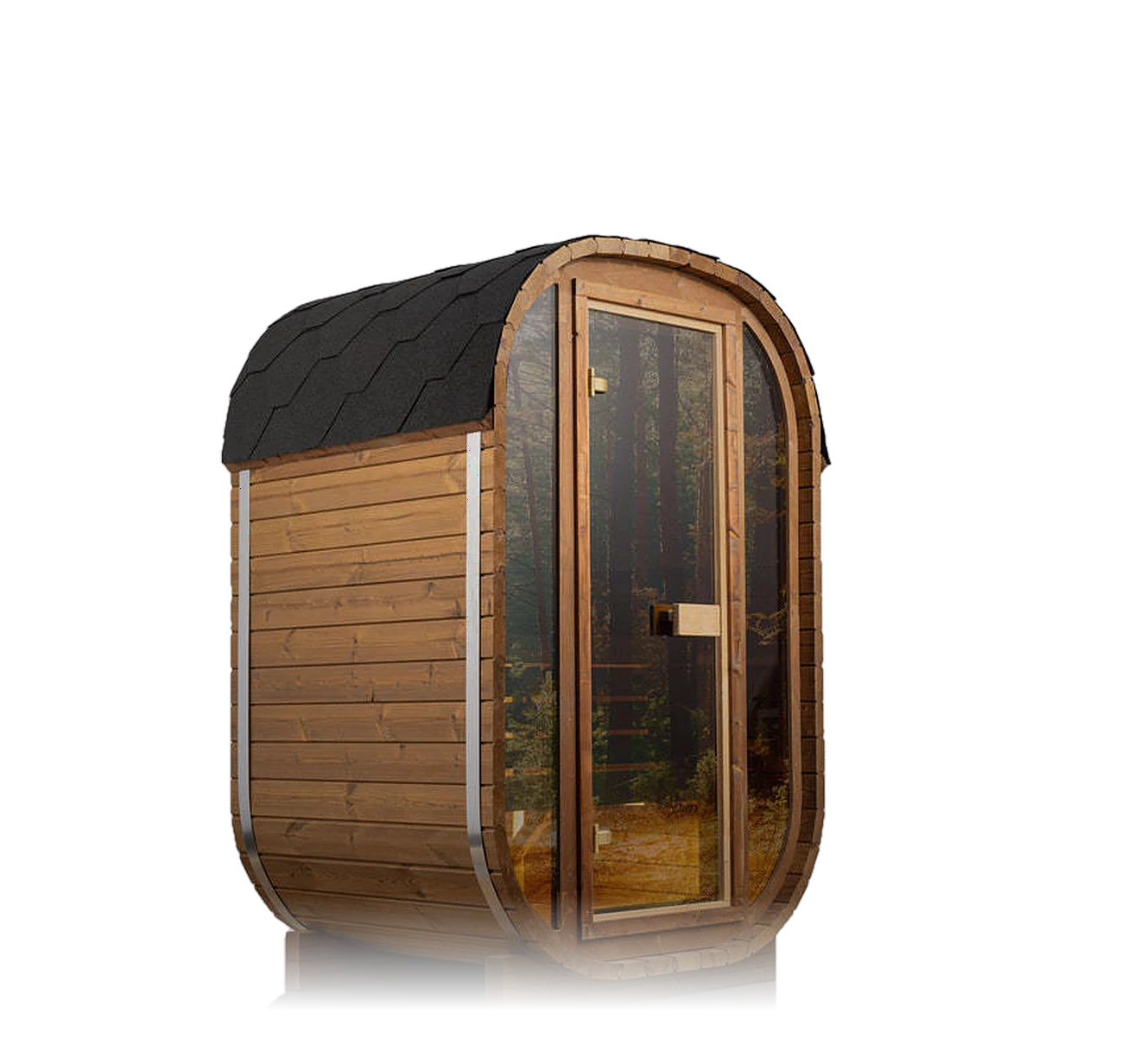
Eldvik 2-Person Outdoor Infrared Sauna
A sauna you walk out to, built for two and built to live outside.
Best for Two people with a garden or terrace to put it on
$5,999.00
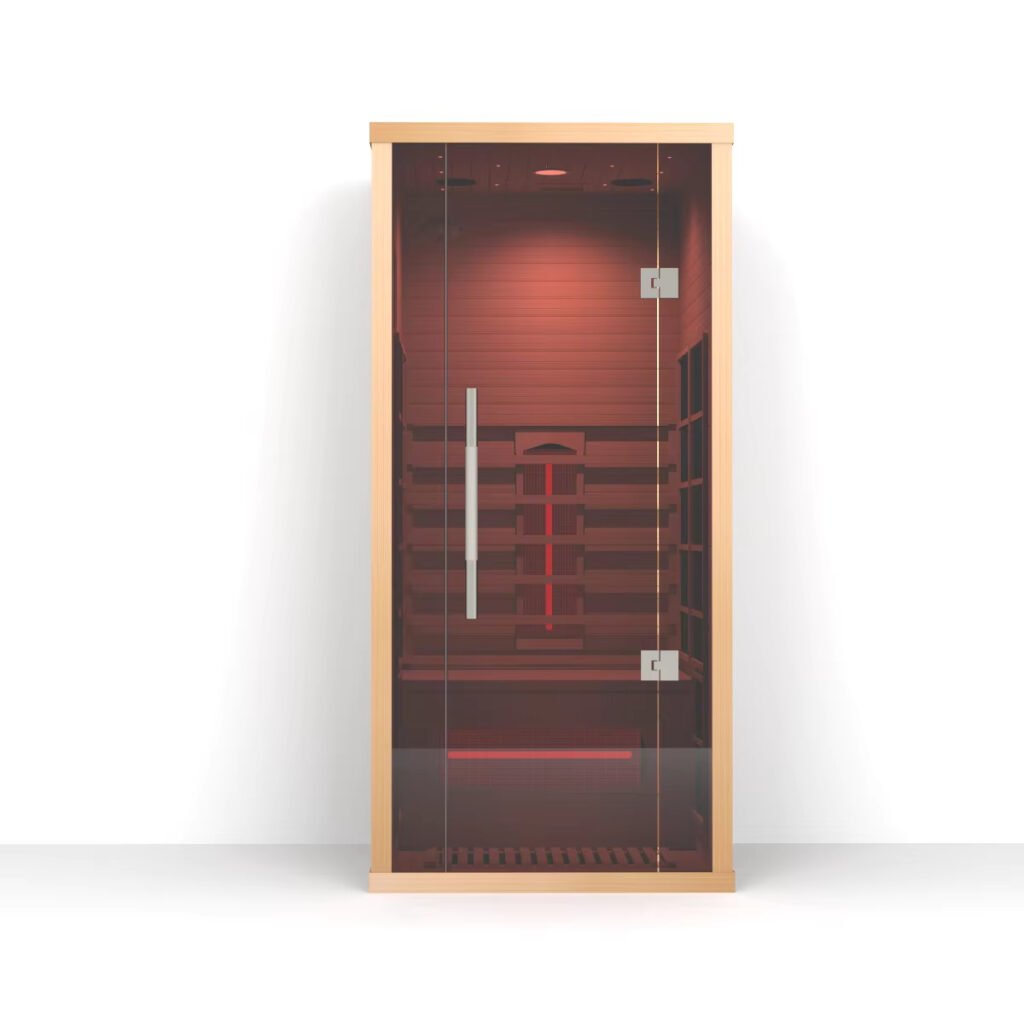
Lumin
Lumin One
Heat therapy in a spare room, with no building work and no outdoor base.
Best for One or two people, indoors, without construction
$7,999.00
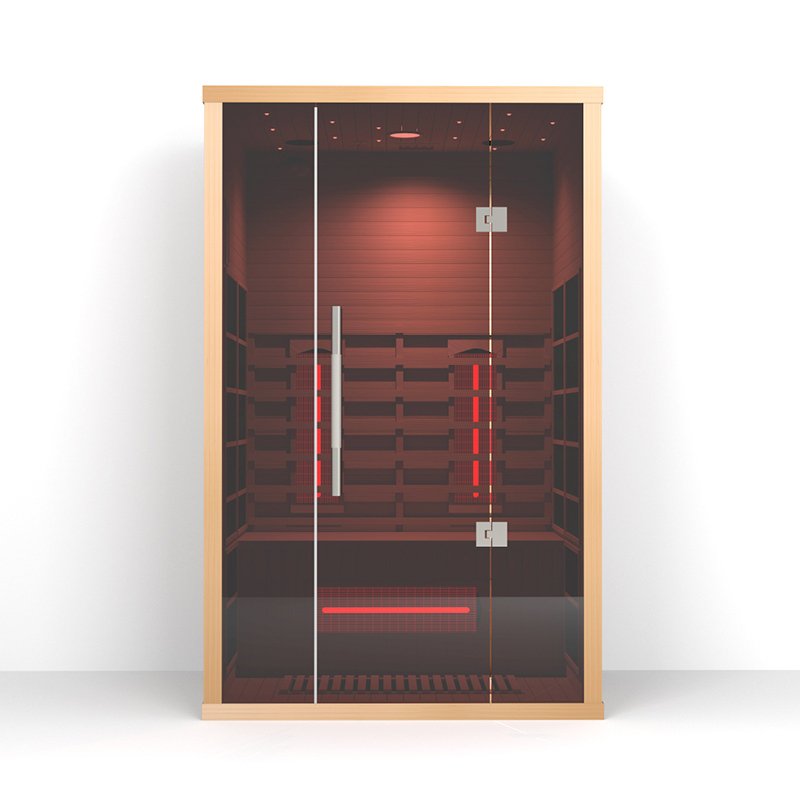
Lumin
Lumin Two
Sauna for two indoors, with the wattage published so the circuit can be sized properly.
Best for Two people indoors who want the specification pinned down
$9,999.00
Lumin
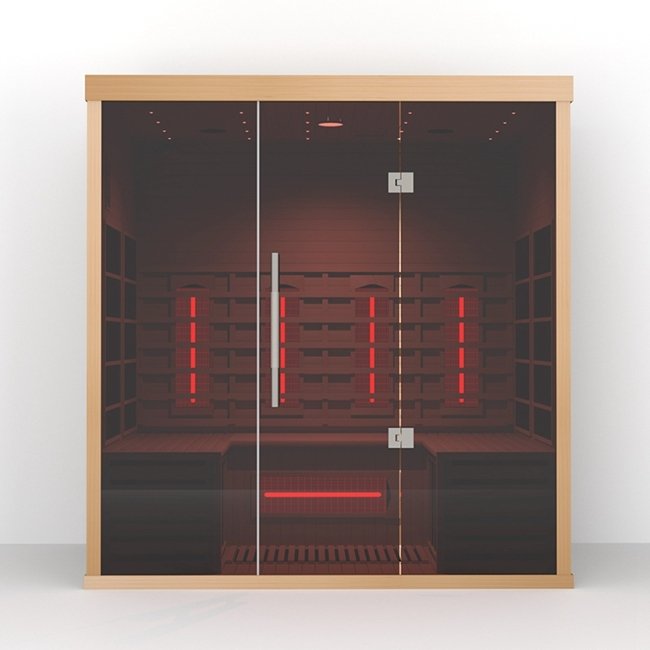
Lumin Three
A three-person sauna indoors that still runs from an ordinary 110V plug.
Best for Three people indoors, without electrical work
$11,999.00
The sleep claim attached to recovery equipment is usually vaguer than the research behind it, which is a shame, because the research points at something quite specific and actionable: timing.
What the timing finding means in practice
- Roughly one to two hours before bed. That is the window the passive body heating research points to, and it is a scheduling decision rather than an equipment decision.
- The mechanism is cooling, not heating. Warming the body raises peripheral blood flow, and the subsequent fall in core temperature is what appears to matter. Heating immediately before lying down works against that.
- Consistency. Effects reported in this literature relate to regular rather than occasional use.
How to choose within sleep and recovery
Sleep is the outcome most sensitive to timing and least sensitive to specification. What decides the purchase:
- Where it sits relative to your bedroom. Anything requiring a trip outside in the cold at 10pm will not be used in January.
- Session length before bed. A routine that adds forty minutes to your evening competes with the sleep it is meant to support.
- Light and stimulation. Bright, loud or complicated equipment works against a wind-down.
- Noise. Plant noise carrying into a bedroom is the most common regret in this category.
Proximity and simplicity beat capability here more clearly than anywhere else on the site.
What the evidence supports
A systematic review and meta-analysis has examined passive body heating before bedtime in relation to sleep onset latency and self-reported sleep quality, and a recent review of cold-water immersion examined sleep among its outcomes.
What it does not establish
The passive heating trials used warm showers and baths rather than saunas, so this supports the mechanism rather than the appliance. Sleep outcomes are largely self-reported. Nothing here establishes treatment for insomnia, sleep apnoea, or any sleep disorder — those warrant a clinician, not equipment.
The sources are listed in the Research Library, each with its key limitation recorded. Category guides cover the specifications that differ within each technology, the product finder narrows the range in four questions, and recovery room planning covers what changes when several systems share one space. Commercial buyers should start at IMPERVITA PRO.
Decision support
Find Your Ideal Recovery System
Four questions. A ranked shortlist of the technologies that fit your objective, budget, and space.
Start the FinderRoom planning
Build Your Recovery Room
Configure a complete space across five steps and leave with a plan you can share, save, or hand to an advisor.
Open the ConfiguratorBuilding an evening routine?
Tell an advisor where the equipment would live relative to your bedroom. Placement decides this category more than the model does.