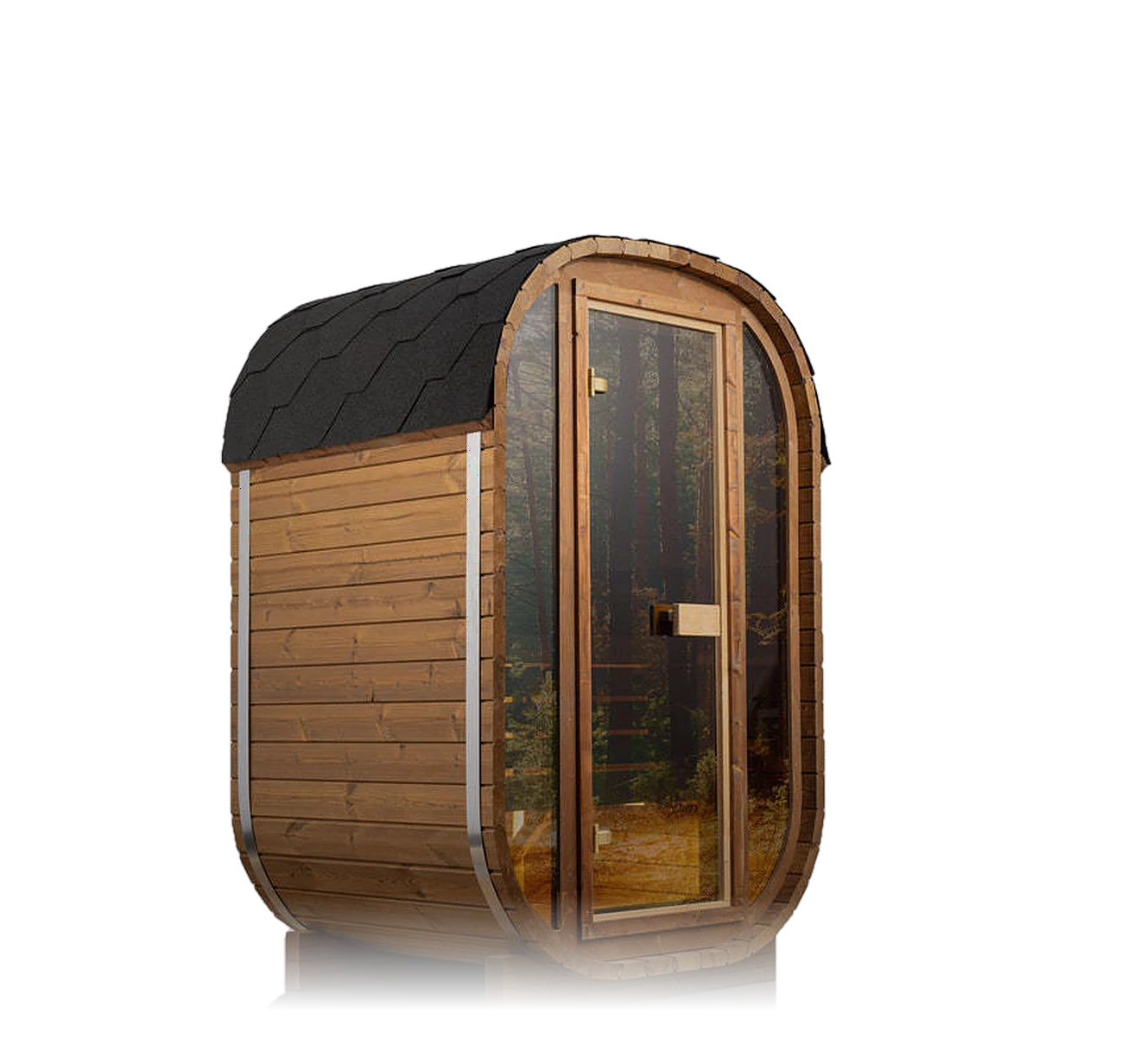
One room. The right technologies. A plan built around how you actually recover.
Most people know they want better recovery at home long before they know what that costs, what it needs, or what to buy first. So the project stalls — not on money, but on not knowing which three or four systems belong together, which order to buy them in, and whether the room can take them at all.
A Recovery Room is the alternative to researching seven categories independently and hoping the pieces agree with each other when they arrive. You describe the space and the routine you want; we specify the combination that fits both.
What goes wrong when a room is bought one piece at a time
A recovery room is a building project as much as a purchase. Heat needs ventilation. Cold needs drainage and a power circuit that can carry a chiller. A massage chair needs recline clearance behind it that most people forget to measure. Bought separately, each of those is a reasonable decision; bought separately, they routinely add up to a room that cannot hold all three.
Getting the sequence right is the difference between a room that works and a room that becomes storage.
- Define the outcome. Contrast recovery, wind-down, or a full longevity routine — this decides everything downstream.
- Measure honestly. Floor area, ceiling height, door widths, and the route the equipment has to travel to get there.
- Check the services. Power, water, drainage, and ventilation, before anything is ordered.
- Sequence the purchase. Most rooms are built over two or three stages rather than all at once.
You do not have to buy the whole room at once
Staging is the normal case, not the compromise. Knowing the finished plan is what makes staging safe — it is how you avoid buying a cabin now that leaves no circuit for the chiller next year. Plenty of good rooms start with one system and a drawing of the other two.
Once the outcome is set, recovery packages show what a complete room looks like at three planning tiers, the recovery room configurator turns your measurements into a ranked plan, and the product finder is quickest when you only need one category. Spreading the cost across stages is covered under financing options. Commercial rooms are scoped through IMPERVITA PRO.
Recovery Rooms
Recovery packages for a complete room
One space. Multiple recovery technologies. Designed around you.
Essential
$5,000 – $10,000
For one person starting properly rather than starting big. One or two technologies used most days beats four used occasionally — and this tier is often the right answer even when the budget would stretch further.
- Full-body or half-body red light
- Core recovery equipment
- Accessories and setup guidance
Signature
$10,000 – $20,000
For households ready to commit to contrast — heat and cold used together, which is the pairing most clients say changed the routine rather than added to it. Move up from Essential when more than one person will use the room, or when you want hot and cold in the same session.
- Infrared sauna
- Cold plunge system
- Red light therapy
Private Reserve
$20,000 – $50,000+
For a dedicated room rather than equipment placed in an existing one. Move up from Signature when the space is being designed around the equipment, when several people use it daily, or when you want the specification settled once rather than revisited in two years.
- Premium infrared sauna
- Cold plunge system
- Luxury massage chair
- Full-body red light
- Advanced recovery technologies
Ranges are planning guides for budgeting a complete room. Final specification and pricing are confirmed with an advisor.
Planning resource
The IMPERVITA Recovery Room Planning Guide
Sizing, layout, power, ventilation, drainage, and the order to buy things in. Written for people planning a room rather than buying a single machine.
Enter your email to be notified when the IMPERVITA Recovery Room Planning Guide is released.