Massage Chairs

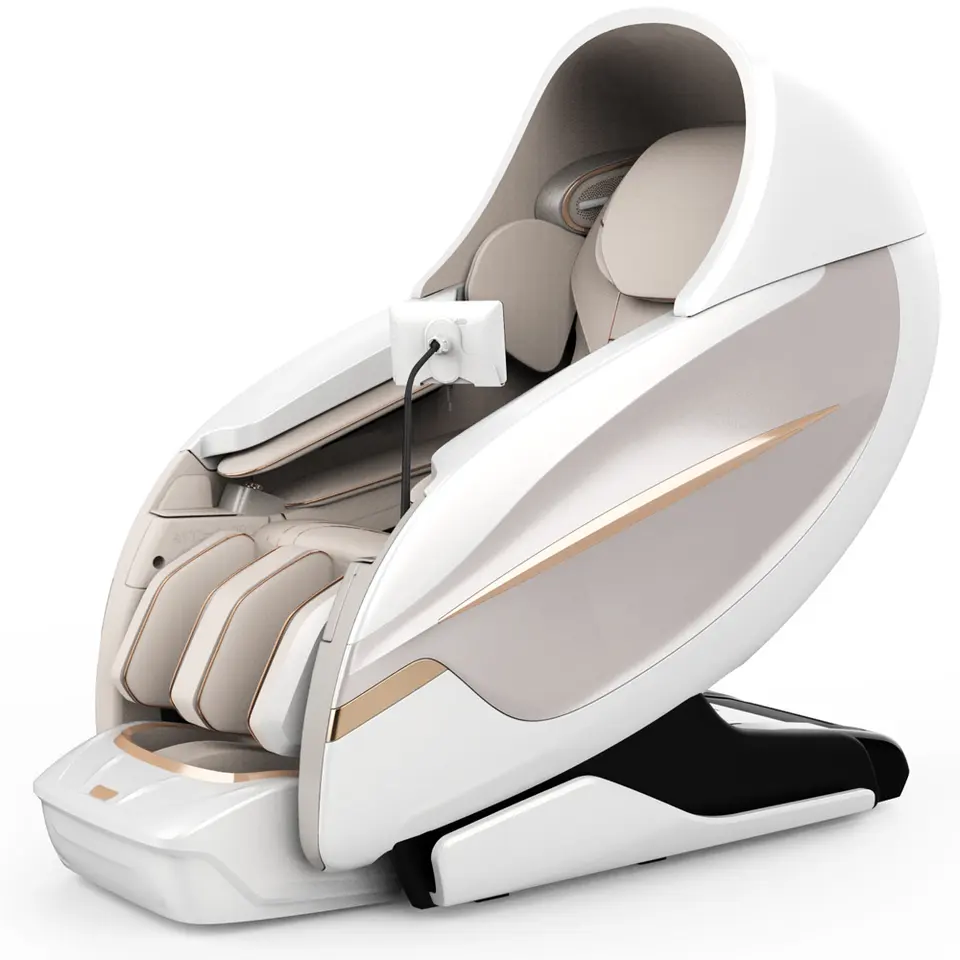
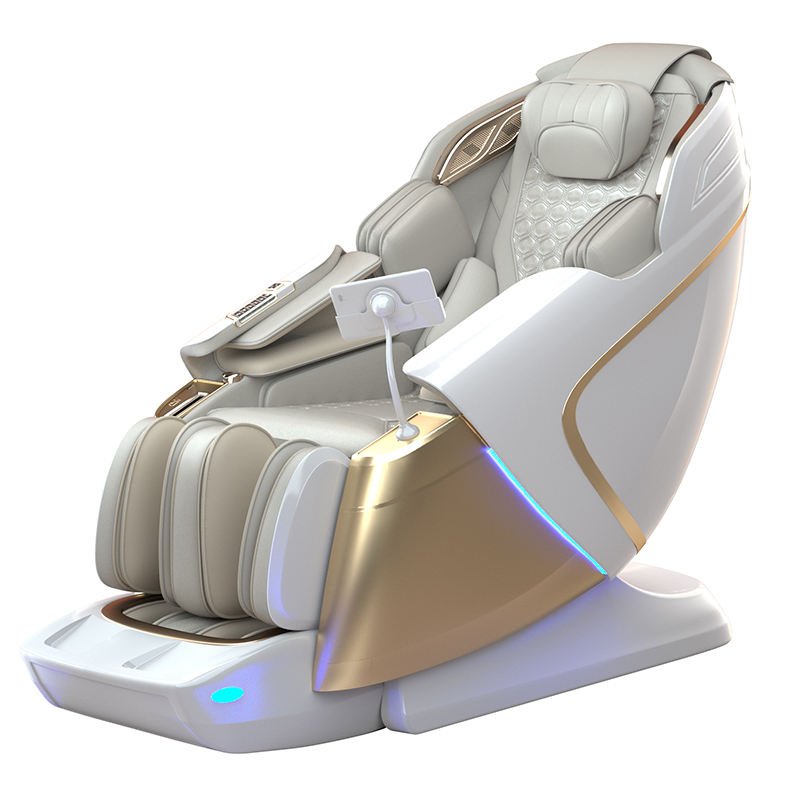
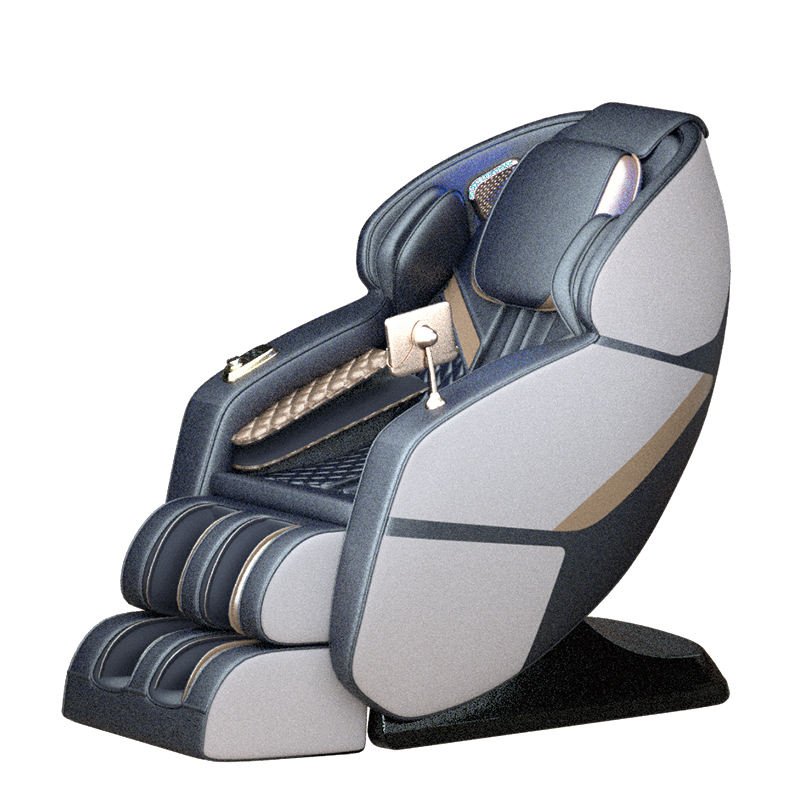
Booking a massage means finding a slot, driving there and paying again every time. Owning the chair removes all three, and the session happens when your body actually wants it rather than when the diary allows. Three chairs, and the choice between them comes down to three things: footprint, track length, and how much control you have over the massage itself. The FlexiZen folds away for rooms that have to stay usable. The OmniSense scans your body and places the rollers against your frame. The NeuroLuxe has the longest track and the deepest 4D control. If you are weighing two of them, an advisor will talk it through with you before you commit.

Showing all 3 results

A massage chair is one of the few recovery purchases where the buyer can evaluate the thing directly — and one of the few where fit to the user matters more than the specification list.

The most common regret is not a mechanical failure. It is a chair that does not fit the person using it, in a room that turned out to be too small once it reclined. Both are avoidable by measuring before buying rather than after delivery.

Why buyers consider Massage Chairs

  • Removes the scheduling, travel, and per-session cost that stop most people using massage regularly.
  • Available on demand, which for many owners means a short session most days rather than an hour once a month.
  • No consumables and no water. Maintenance is upholstery care and occasional service.
  • Useful across a household with different needs, provided the chair fits everyone who will use it.

What to compare before buying

Track type: S-track versus SL-track
An S-track follows the curve of the spine from neck to lower back. An SL-track extends that path under the seat and down the back of the thighs and glutes, giving a materially longer stroke. If you want the massage to cover the glutes and hamstrings, this is the specification that decides it.
2D, 3D, and 4D rollers
2D rollers move up-down and side-to-side. 3D adds depth, so the rollers protrude further into the back and intensity becomes adjustable. 4D adds variable rhythm and speed within a stroke, producing a more human-feeling massage. The step from 2D to 3D is the one most people notice; the step from 3D to 4D is a refinement and commands a significant premium.
Body scanning
Chairs scan to locate shoulders and spine length and adapt roller position. Scanning quality varies widely and matters most for people at the ends of the height range. If possible, sit in the chair and see where it places the shoulder rollers.
Air compression system
Airbags provide compression to arms, shoulders, hips, calves, and feet. Ask how many airbags there are and, more usefully, which body areas are actually covered — a high airbag count concentrated in the legs is not full-body compression.
Zero gravity and recline
Zero gravity is a reclined posture that elevates the knees to or above heart height to distribute body weight; it is a position, not a technology, and most chairs offer two or three stages of it. What matters practically is how far the chair reclines and therefore how much space it needs.
Foot and calf mechanism
Roller-based foot massage and calf compression vary enormously in quality, and this is often the part owners use most. Check whether the leg rest extends for taller users.

The specifications that actually matter

User height and weight range
Published by the manufacturer and the single most important specification. A chair rated to 6'2" will not track correctly on someone taller — the shoulder rollers land in the wrong place and the massage is worse, not just shorter.
Shoulder width and seat width
Determines whether broader users are comfortable and whether the shoulder airbags apply pressure in the right place.
Wall clearance when reclined
Many chairs slide forward as they recline and need only a few inches behind them. Others need substantially more. Get this figure before deciding where the chair goes.
Reclined footprint
The chair upright is not the space requirement. Fully reclined with the leg rest extended is.
Assembled weight
Premium chairs are heavy. This affects whether it can go upstairs, whether the delivery is curbside or into the room, and what the floor beneath it needs to take.
Electrical requirement
Usually a standard household outlet. Confirm the requirement and make sure an outlet is reachable from the chair position without an extension lead.

Space and installation

  • Measure the reclined footprint plus the manufacturer wall clearance, not the upright dimensions.
  • Measure the delivery path: doorways, stair turns, and any tight corner. A premium chair is large, heavy, and often does not disassemble.
  • Decide before ordering whether delivery is curbside or into the room, and whether assembly is included. This is the most common delivery disappointment in this category.
  • Allow access to at least one side for cleaning and for service.
  • Consider where the chair sits socially. A chair in a spare room gets used less than one in a room people already spend time in.

Electrical, ventilation, drainage, and structural requirements

  • Electrical. A standard outlet within reach of the chair in its final position. Confirm the chair's requirement and avoid running it on an extension lead.
  • Structural. Assembled weight plus occupant, checked for upper-floor installations on timber framing.
  • Ventilation. None required.
  • Drainage. None required.
  • Flooring. Heavy chairs can mark soft flooring. Consider a protective mat, particularly on timber or vinyl.

Maintenance and sanitation

  • Clean upholstery on the manufacturer schedule with the products they specify. Synthetic leather is the most common covering and is damaged by solvents and alcohol-based cleaners.
  • Keep the chair out of direct sunlight, which is the main cause of premature upholstery cracking.
  • Vacuum around the roller track and foot rollers to keep debris out of the mechanism.
  • Check moving parts and cable routing periodically for wear.
  • Ask what routine servicing the manufacturer recommends and whether it affects the warranty.

Residential versus commercial use

A residential chair is designed for a household — perhaps a few sessions a day. A chair in a gym recovery lounge, a clinic waiting area, or a hotel spa may run continuously for twelve hours with a new user every twenty minutes, and the mechanism, motors, and upholstery are not specified for that. Commercial-duty chairs use heavier mechanisms, more durable and more cleanable coverings, and often simplified controls. Unattended commercial use raises additional questions: cleaning between users, supervision, and clear usage limits. Buying a residential chair for a commercial floor is the most expensive mistake in this category, because it usually fails outside warranty — see IMPERVITA PRO.

Warranty and service questions to ask

  • How long is each part covered — frame, mechanism and motors, electronics, and upholstery? These almost always differ.
  • Is labour included, or parts only?
  • Is service in-home, or must the chair be shipped back? Shipping a chair of this weight is a significant cost.
  • Is there a technician network within reasonable distance of you?
  • Is upholstery covered at all? It is frequently excluded or covered for a much shorter period.
  • Does commercial use void the residential warranty?
  • Are mechanism parts stocked, and for how long after the model is discontinued?

What the evidence shows

Massage has been examined in a systematic review and meta-analysis of its effects on performance and recovery, and in a broader meta-analysis comparing post-exercise recovery techniques against each other on shared outcome measures — in which massage performed comparatively well for markers of muscle damage, soreness, and fatigue. Evidence suggests a consistent effect on perceived soreness and fatigue, with much weaker support for changes in objective performance measures such as strength or jump height.

Sources in the IMPERVITA Research Library:

What the evidence does not establish

The trials in this literature studied manual massage delivered by a therapist, not mechanical massage delivered by a chair. The pressure, technique, and adaptability of a human practitioner differ materially from a roller mechanism, so these findings support the general value of massage rather than the performance of any particular chair. Effects on objective performance were small or absent in the better-controlled analyses. Trials were generally small and short. None of this establishes that a massage chair treats or cures any condition, including back pain or injury. Anyone with a spinal condition, recent surgery, osteoporosis, a blood clotting disorder, a pacemaker or implanted device, or who is pregnant should speak to a physician before using a massage chair.

Related technologies

Buyer checklist

  • Manufacturer height and weight range checked against every intended user.
  • Track type chosen — SL if glute and hamstring coverage matters.
  • 3D or 4D decided on the basis of a sit test if at all possible.
  • Reclined footprint plus wall clearance measured in the actual room.
  • Delivery path measured, and curbside versus in-room delivery confirmed in writing.
  • Assembly arrangements confirmed before ordering.
  • Outlet position confirmed within reach.
  • Upholstery warranty terms read separately from the mechanism warranty.
  • In-home service availability confirmed for your location.
  • If used by anyone outside the household, specified as commercial duty.

Tell an advisor the height of the tallest user and the dimensions of the room, and the shortlist usually narrows to two or three chairs before you compare anything else.

Speak With a Wellness Advisor Narrow it down in four questions

Information provided by IMPERVITA is for educational and general wellness purposes and is not intended to replace professional medical advice, diagnosis, or treatment.

Scroll to Top