Solution
Build a wind-down routine you will actually keep.
Heat and massage technology chosen for comfort and for how easily it fits into an evening.
Massage Chairs
Professional-grade recovery. At home.
Explore
Infrared Saunas
Create your personal sanctuary.
Explore
PEMF
Next-generation recovery technology.
Explore
Recommended products
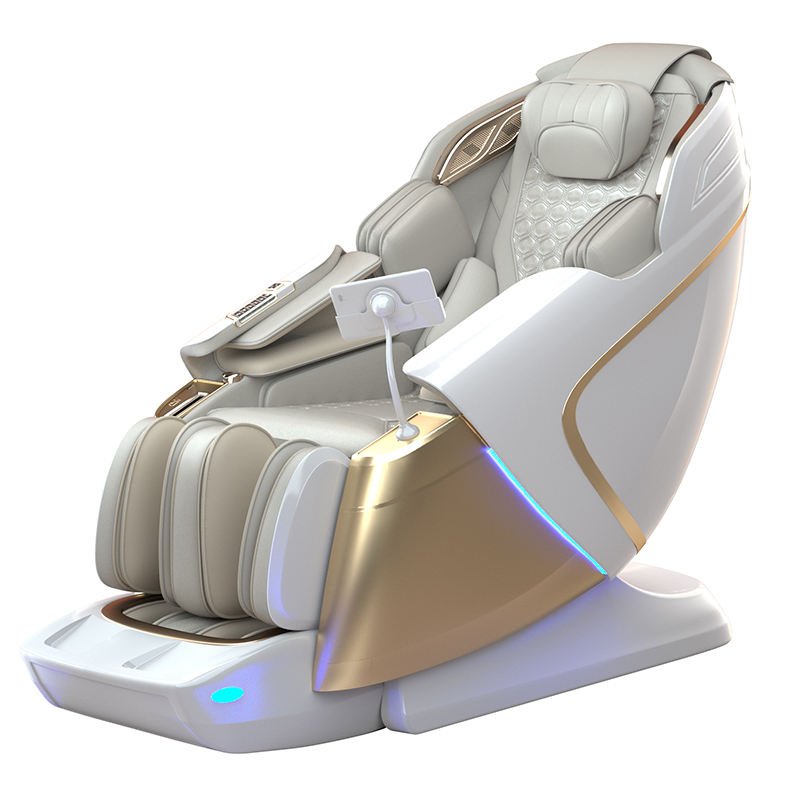
NeuroLuxe
NeuroLuxe SL 4D Massage Chair
The longest track and the deepest roller control in the range.
Best for Daily recovery after training, where 220V is available
$10,999.00
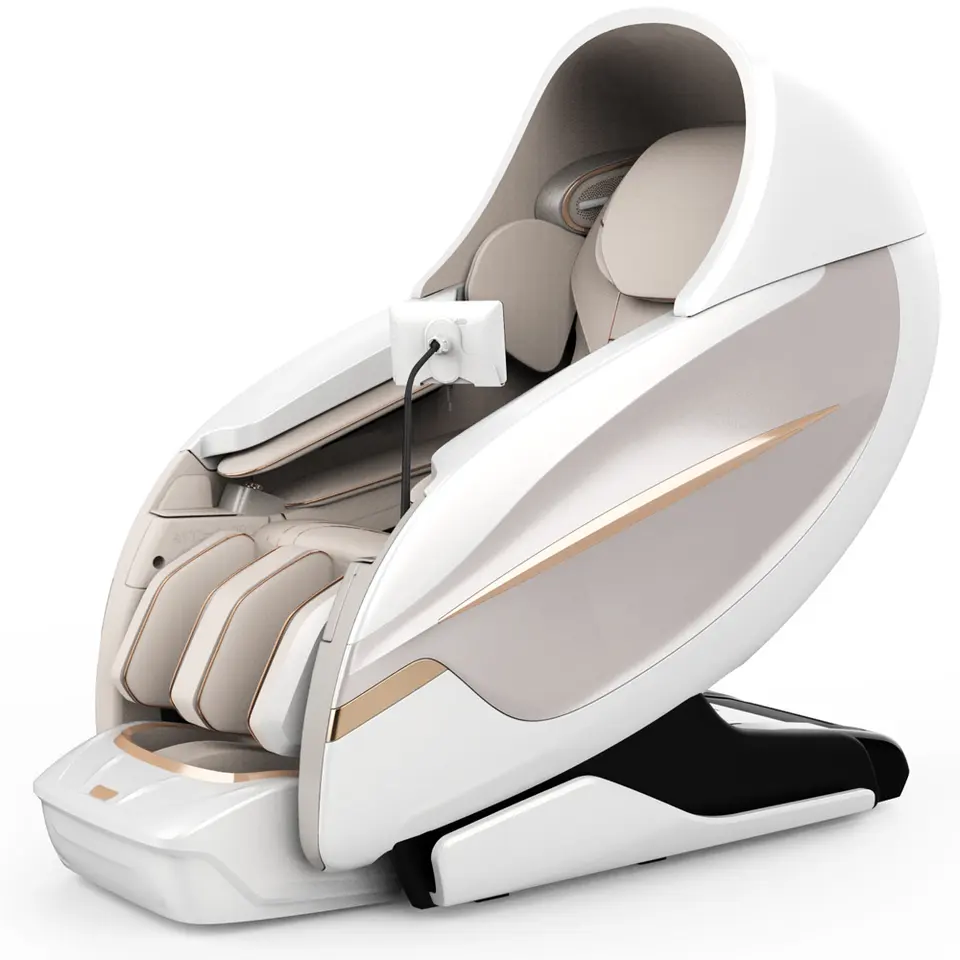
OmniSense
OmniSense 4D Massage Chair
Stop settling for a programme built for an average body that is not yours.
Best for Buyers who want the chair to adapt to their frame
$8,599.00
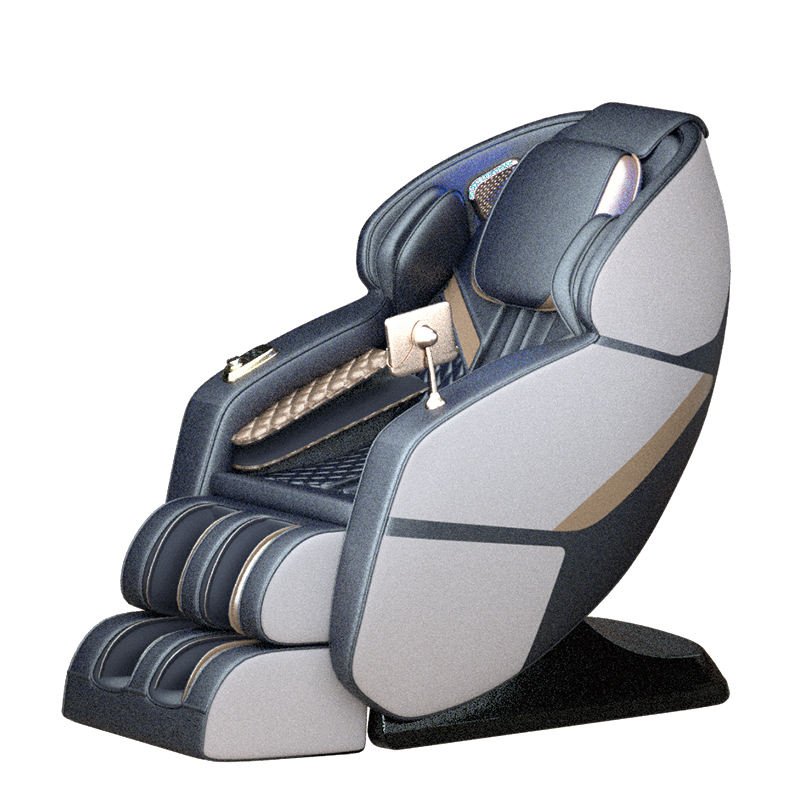
FlexiZen
FlexiZen V10 Smart Massage Chair
A full-body chair that folds away instead of taking over the room.
Best for Apartments and multi-use rooms where floor space is limited
$7,999.00
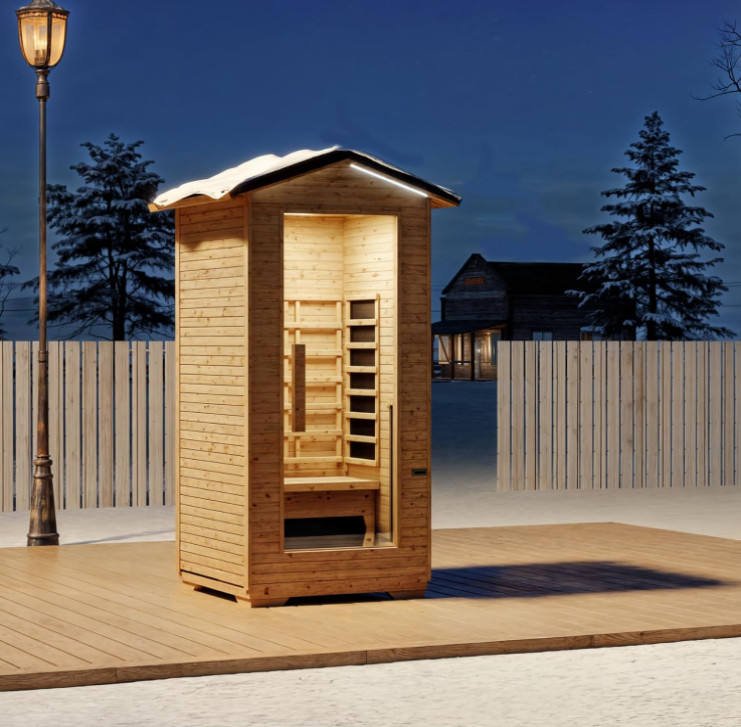
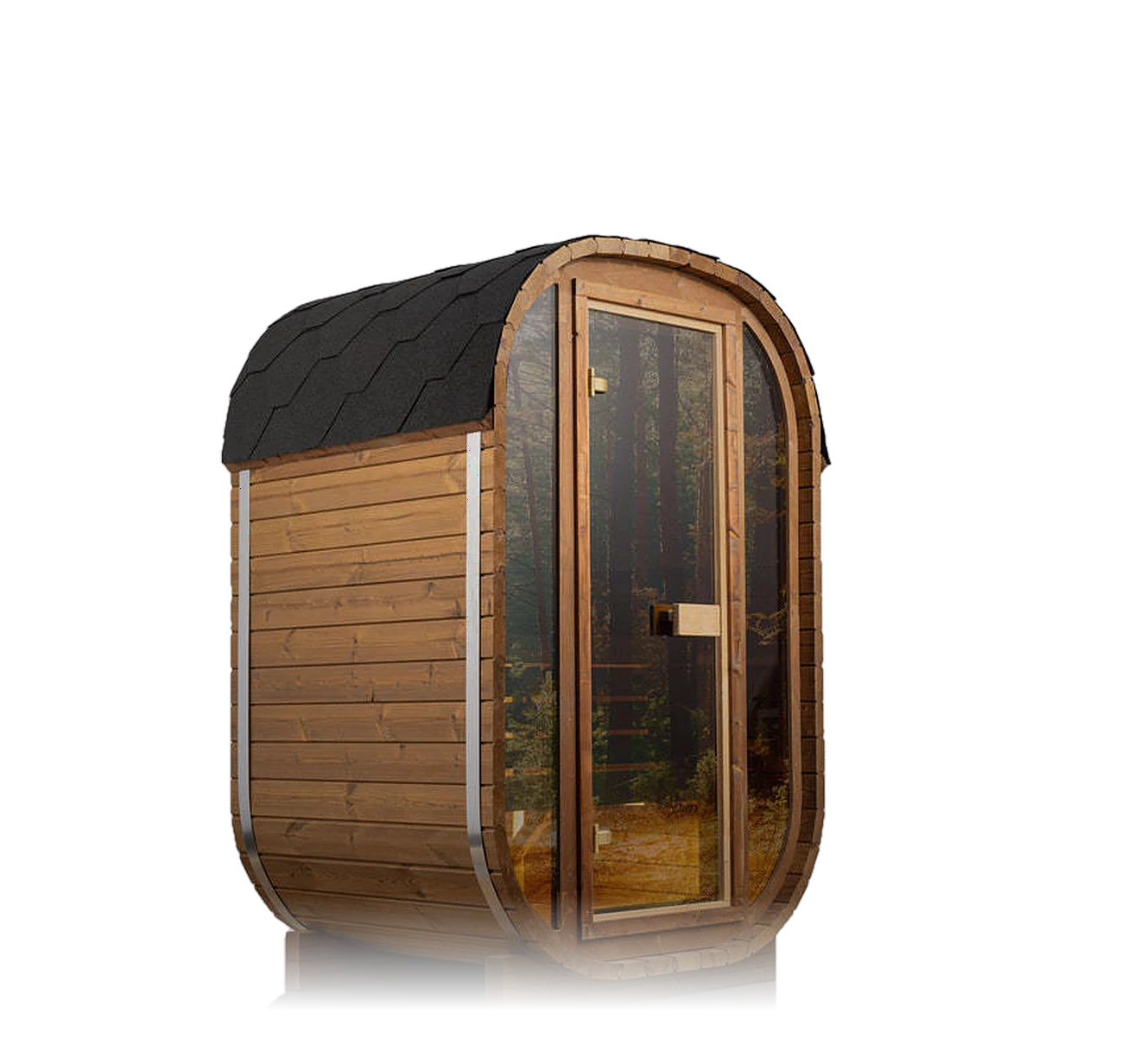
Fjordheim
Fjordheim Solo Infrared Sauna
The least committing way into a near-daily sauna habit.
Best for One regular user, in an apartment or spare room
$3,999.00
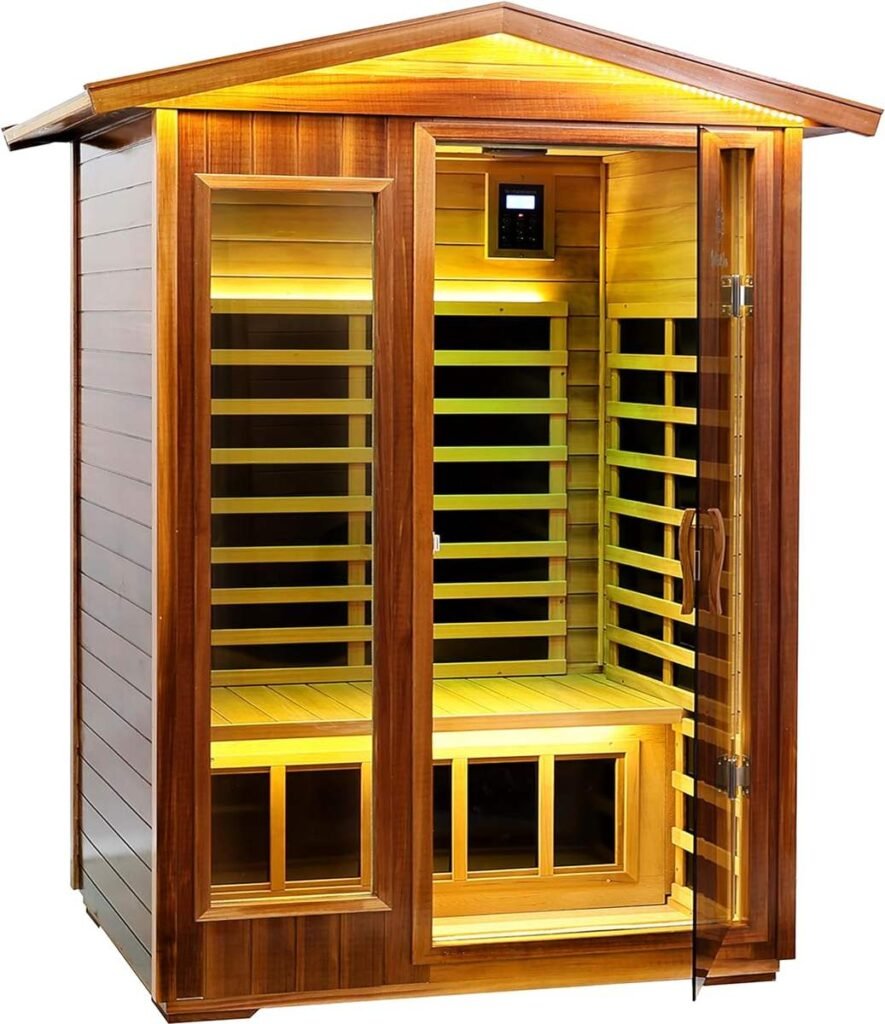
Eldvik
Eldvik 2-Person Outdoor Infrared Sauna
A sauna you walk out to, built for two and built to live outside.
Best for Two people with a garden or terrace to put it on
$5,999.00
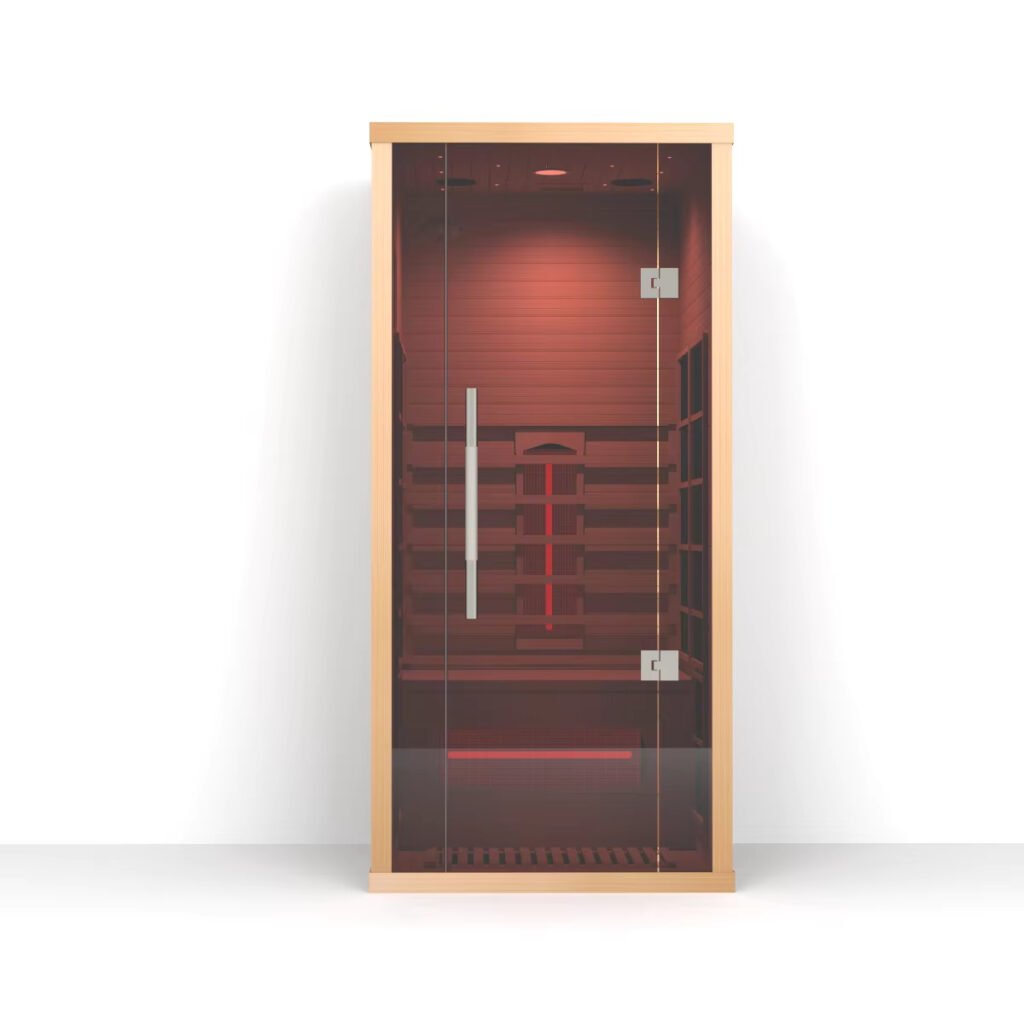
Lumin
Lumin One
Heat therapy in a spare room, with no building work and no outdoor base.
Best for One or two people, indoors, without construction
$7,999.00
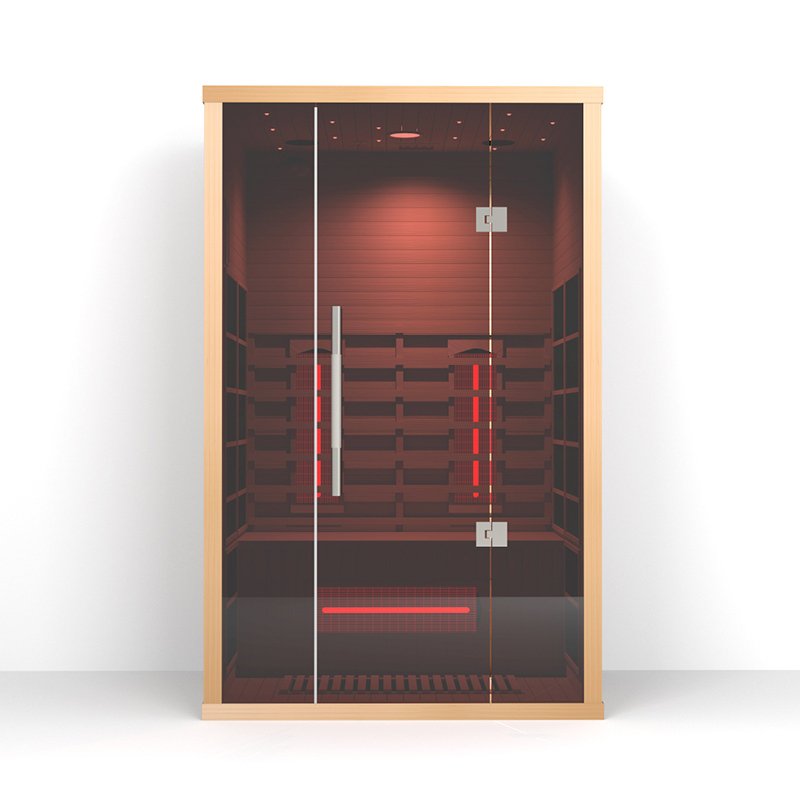
Lumin
Lumin Two
Sauna for two indoors, with the wattage published so the circuit can be sized properly.
Best for Two people indoors who want the specification pinned down
$9,999.00
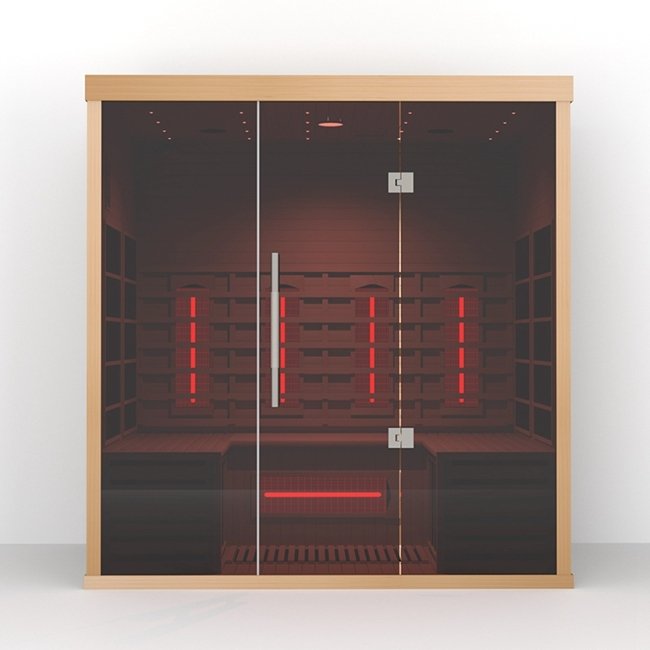
Lumin
Lumin Three
A three-person sauna indoors that still runs from an ordinary 110V plug.
Best for Three people indoors, without electrical work
$11,999.00
This is the category people are least likely to admit they are buying, and the one they use most. The honest framing is that a sauna or a massage chair is a reason to stop — twenty minutes where nothing else can reasonably be asked of you.
What to weigh up
- Where it goes. Equipment in a room you already spend time in gets used. Equipment in a spare room does not. This matters more than any specification here.
- Session length. Anything that needs more than about twenty minutes including changing will not survive a normal weekday.
- Noise. A chiller or a cooling fan audible through a session undoes the point of it. Ask for decibel figures.
- Privacy. Screening and a door that closes affect use more than most people expect.
How to choose within this category
Everything here lives or dies on whether it is easy enough to use on an ordinary Tuesday evening. That makes the decision unusually practical:
- Put it where you already are. The best specification in a spare room loses to a modest one in a room you use.
- Time to ready. How long from deciding to use it to actually being in it — this is the number that predicts use.
- Quiet. Ask for decibel figures before anything else. Audible plant undoes the entire point.
- One person or two. Shared use turns a device into a ritual, and changes sizing.
This is a category where spending less on a system that fits your evening is a better outcome than spending more on one that does not.
What the evidence supports
Research on passive body heating has examined effects on sleep onset, and massage has been studied for perceived fatigue and soreness. Evidence suggests measurable effects on self-reported measures, which is the honest place to put the claim for this category.
What it does not establish
Self-reported outcomes are exactly that, and studies in this area are generally small and short. Passive heating research used warm baths and showers rather than saunas. Nothing here establishes treatment of anxiety, depression, or any diagnosed condition, and anyone managing one should speak to a clinician rather than buy equipment.
The sources are listed in the Research Library, each with its key limitation recorded. Category guides cover the specifications that differ within each technology, the product finder narrows the range in four questions, and recovery room planning covers what changes when several systems share one space. Commercial buyers should start at IMPERVITA PRO.
Decision support
Find Your Ideal Recovery System
Four questions. A ranked shortlist of the technologies that fit your objective, budget, and space.
Start the FinderRoom planning
Build Your Recovery Room
Configure a complete space across five steps and leave with a plan you can share, save, or hand to an advisor.
Open the ConfiguratorWhat would you actually use on a weekday?
Tell an advisor about the room and your evening routine. They will point you at what fits it — which is often less equipment than people expect.