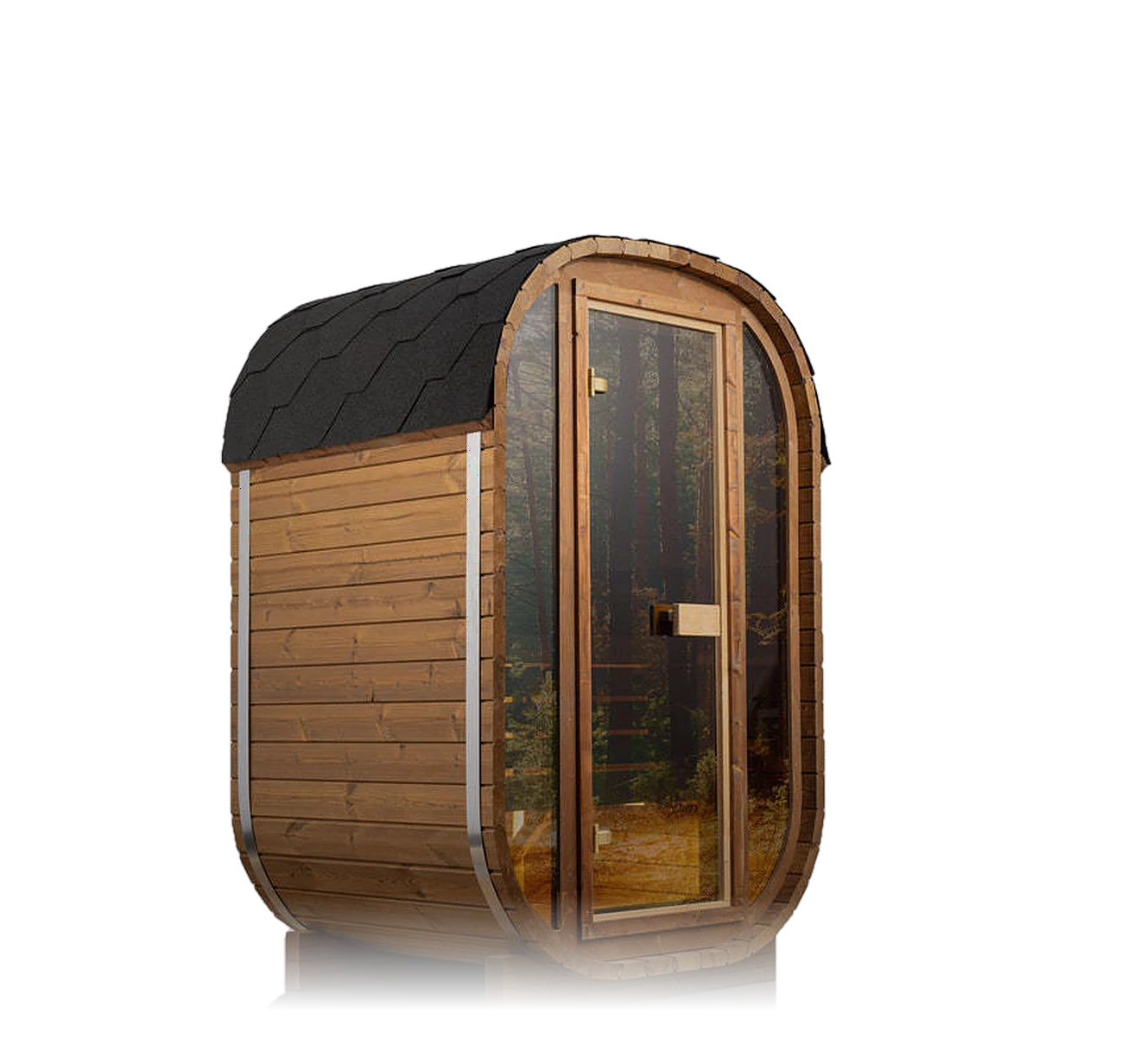
Solution
Equipment that earns its floor space.
Commercial-duty systems for clinics, studios, gyms, and hospitality environments.
Commercial-Grade Systems
Professional systems built for high-use environments.
Explore
Red Light Therapy
Advanced light technology for your wellness routine.
Explore
Hyperbaric Systems
Premium hyperbaric technology for home and professional environments.
Explore
Infrared Saunas
Create your personal sanctuary.
Explore
Recommended products
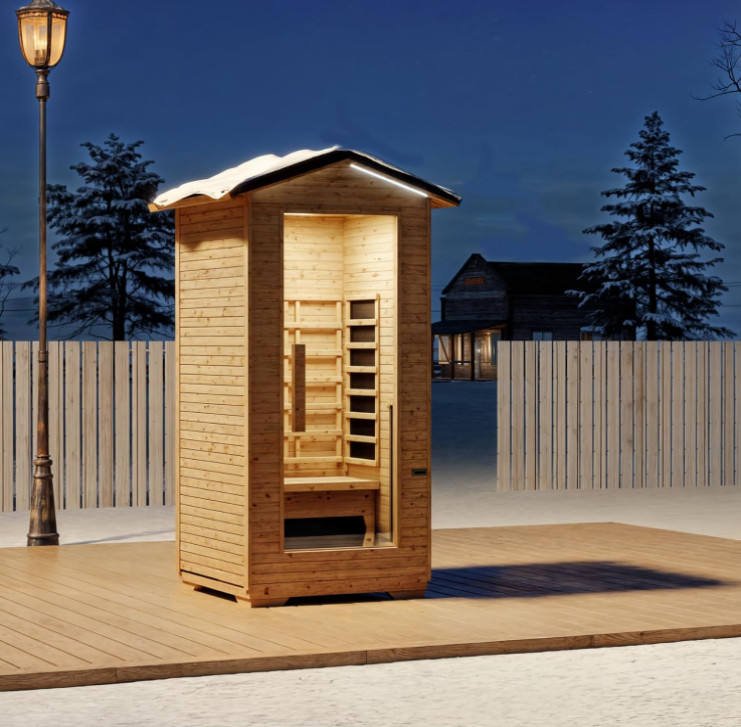
Fjordheim
Fjordheim Solo Infrared Sauna
The least committing way into a near-daily sauna habit.
Best for One regular user, in an apartment or spare room
$3,999.00
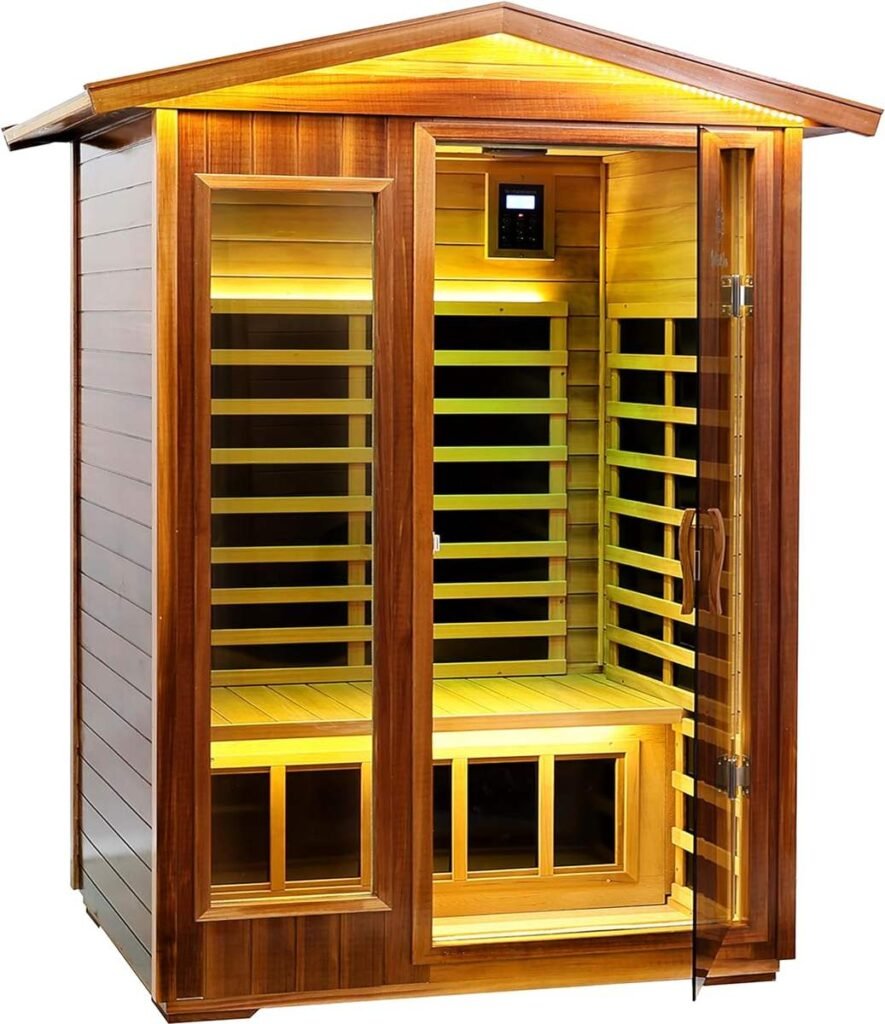
Eldvik
Eldvik 2-Person Outdoor Infrared Sauna
A sauna you walk out to, built for two and built to live outside.
Best for Two people with a garden or terrace to put it on
$5,999.00
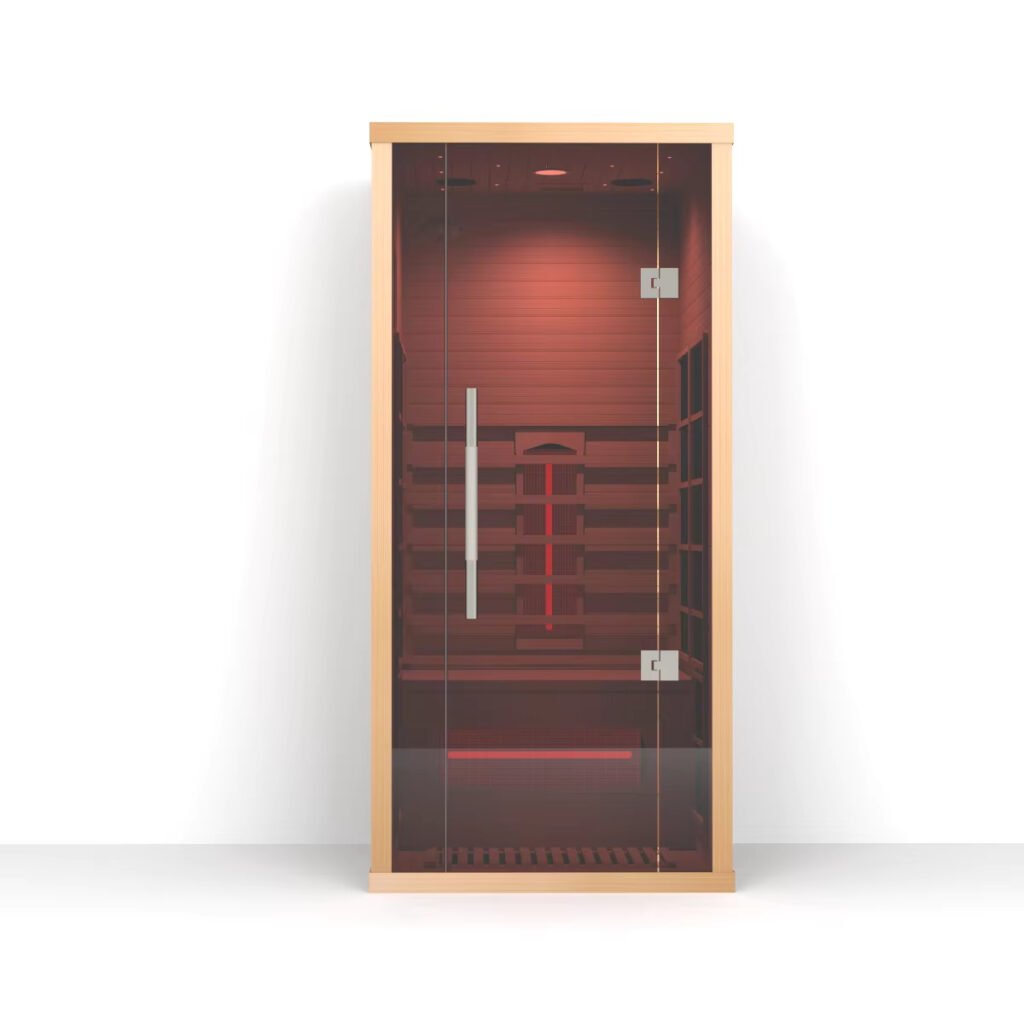
Lumin
Lumin One
Heat therapy in a spare room, with no building work and no outdoor base.
Best for One or two people, indoors, without construction
$7,999.00
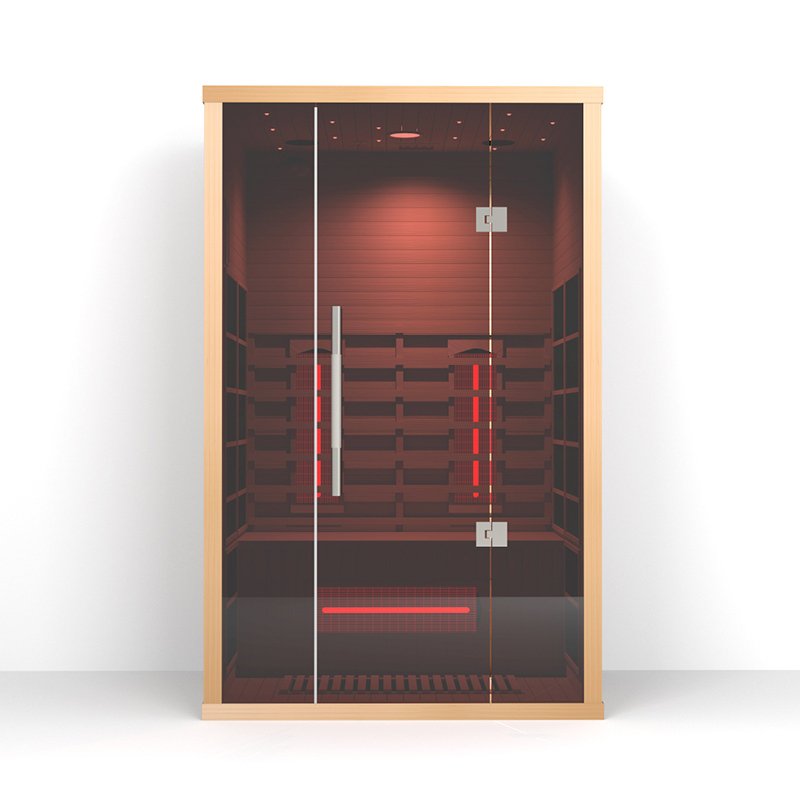
Lumin
Lumin Two
Sauna for two indoors, with the wattage published so the circuit can be sized properly.
Best for Two people indoors who want the specification pinned down
$9,999.00
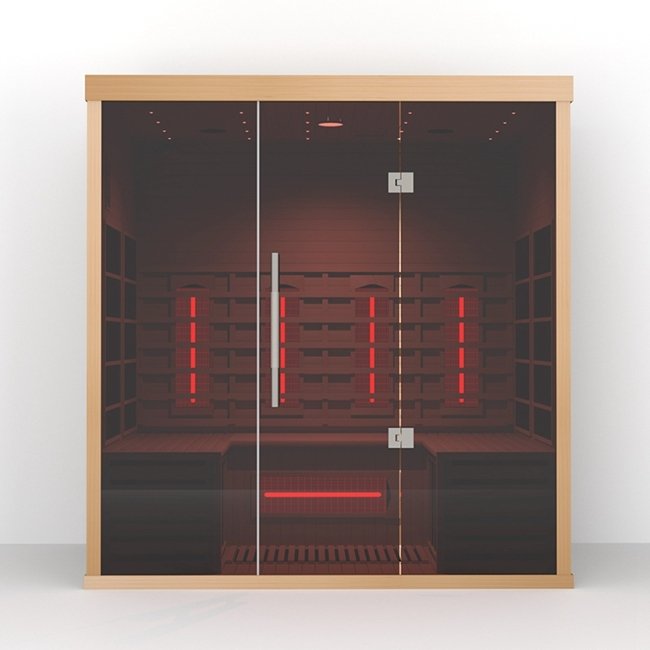
Lumin
Lumin Three
A three-person sauna indoors that still runs from an ordinary 110V plug.
Best for Three people indoors, without electrical work
$11,999.00
Commercial buyers are solving a different problem from a homeowner, and the specification that decides the outcome is rarely on the front of the brochure. It is duty cycle: hours of operation per day, users per hour, and what a failure costs.
What changes in a commercial setting
- Duty cycle. Ask what the manufacturer rates for continuous operation and whether commercial use is permitted under warranty at all. Many residential products explicitly exclude it.
- Throughput. Sessions per hour is session length plus turnaround — cleaning, reset, and for a plunge, temperature recovery. Model it before purchase.
- Serviceability. Downtime has a direct revenue cost, so response time and local parts availability matter far more than they do at home.
- Obligation. Water quality rules, contraindication screening, and the standard applied to how you describe the service to members all attach to commercial operation.
How to choose for a facility
Commercial specification is decided by load and downtime, not by features. The questions that set the answer:
- Sessions per day, at your busiest. Specify against the peak, not the average.
- Cost of an outage. What a week out of service costs decides how much serviceability is worth up front.
- Staff time per session. Cleaning, reset and supervision are the real operating cost.
- Whether it will be repeated. A second room or site later is a reason to standardise now.
A residential unit run at facility volume is the most expensive saving in this category. Scoping is free, and it is the step that prevents it.
What the evidence supports
The evidence for each technology is unchanged by the setting; the obligations attached to describing it are not. The FTC’s guidance on substantiating health claims applies directly to how a facility markets recovery services.
What it does not establish
A commercial setting does not strengthen the evidence for anything. Facilities should not describe recovery services as treating, curing, preventing, or mitigating any condition, or imply medical supervision they do not provide.
The sources are listed in the Research Library, each with its key limitation recorded. Category guides cover the specifications that differ within each technology, the product finder narrows the range in four questions, and recovery room planning covers what changes when several systems share one space. Commercial buyers should start at IMPERVITA PRO.
Decision support
Find Your Ideal Recovery System
Four questions. A ranked shortlist of the technologies that fit your objective, budget, and space.
Start the FinderRoom planning
Build Your Recovery Room
Configure a complete space across five steps and leave with a plan you can share, save, or hand to an advisor.
Open the ConfiguratorScope the facility before you specify
Tell us the facility type, the space and expected sessions per day. A commercial specialist will come back with a specification matched to that load.