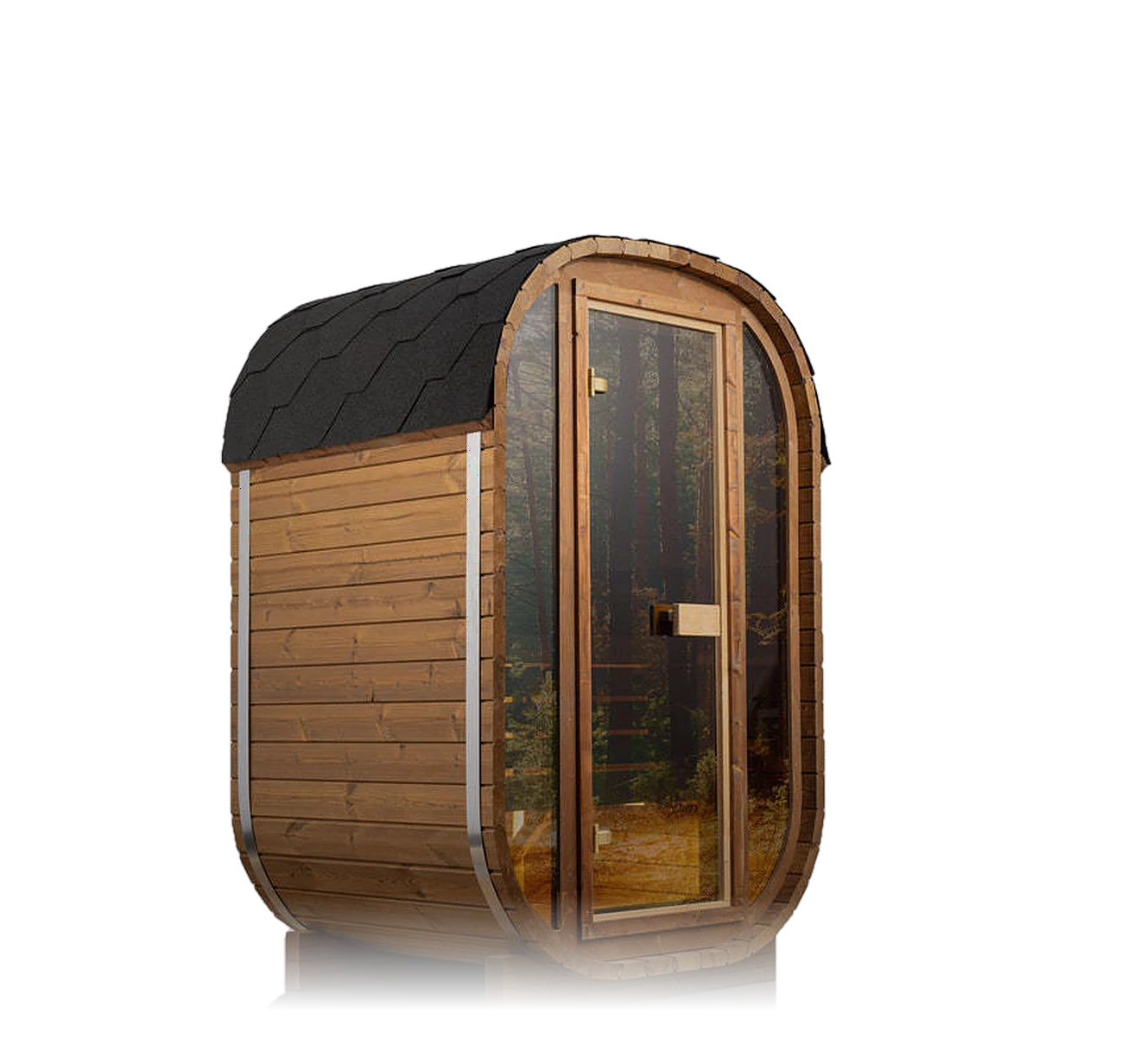
Sauna and Cold Plunge: Creating a Contrast Recovery Routine
Contrast recovery — alternating heat and cold — is the routine most people are picturing when they start planning a recovery room. It is also the routine most likely to be abandoned, and almost never because someone stopped believing in it. It gets abandoned because the setup made it inconvenient.
Sequencing
The common pattern is heat first, then cold, repeated two or three times, finishing on whichever end suits your day — cold if you are heading into work, heat if you are winding down. Session lengths are personal and should follow the manufacturer’s guidance for your specific equipment rather than a number you read somewhere. What matters more than the exact timings is that the sequence is short enough that you will actually repeat it four or five times a week.
What the equipment has to do
A contrast routine puts different demands on equipment than either technology alone. The sauna needs to be up to temperature when you want it, which means either a fast pre-heat or a scheduler you will actually use. The plunge needs to hold its temperature without daily intervention — a chiller and filtration rather than a tub you fill with ice, because the ice routine is the single most common reason cold plunging stops after six weeks.
The two units also need to be close together. If moving between them means crossing a cold garage or going up a flight of stairs, the routine quietly stops happening in winter.
The practical constraints people miss
- Drainage. A plunge has to be emptied periodically. Plan where that water goes before installation, not after.
- Power. A chiller and a sauna heater are both significant loads. Check whether they can run on the circuits you have.
- Ventilation and moisture. Heat plus standing water in an enclosed room will find every weakness in the space.
- Floor. You will be walking between the two units wet. Surface choice is a safety decision.
Before you buy
Contrast setups are worth planning as one project even if you buy the two halves a year apart. Deciding the layout, the services, and the drainage at the start costs nothing; retrofitting them around equipment that is already installed is expensive.
Both halves of the routine have their own buying guidance: infrared saunas and cold plunge systems. What the evidence does and does not establish for alternating the two is set out in the contrast water therapy meta-analysis.
Information provided by IMPERVITA is for educational and general wellness purposes and is not intended to replace professional medical advice, diagnosis, or treatment.